
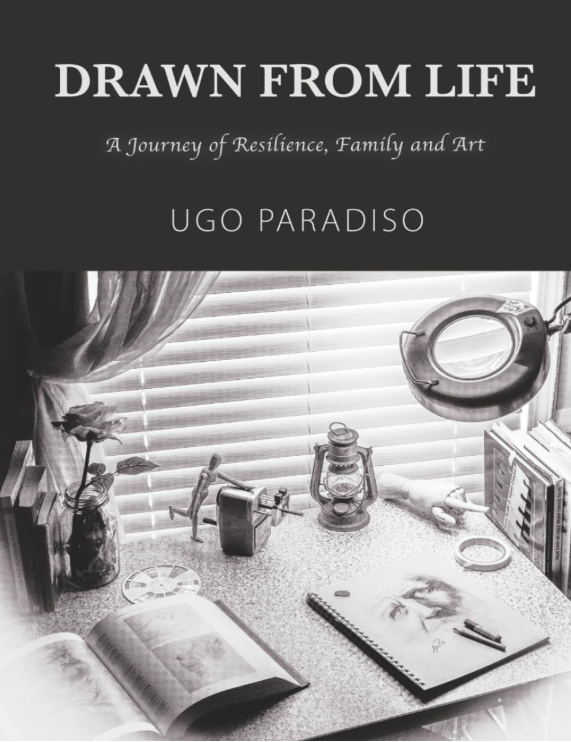
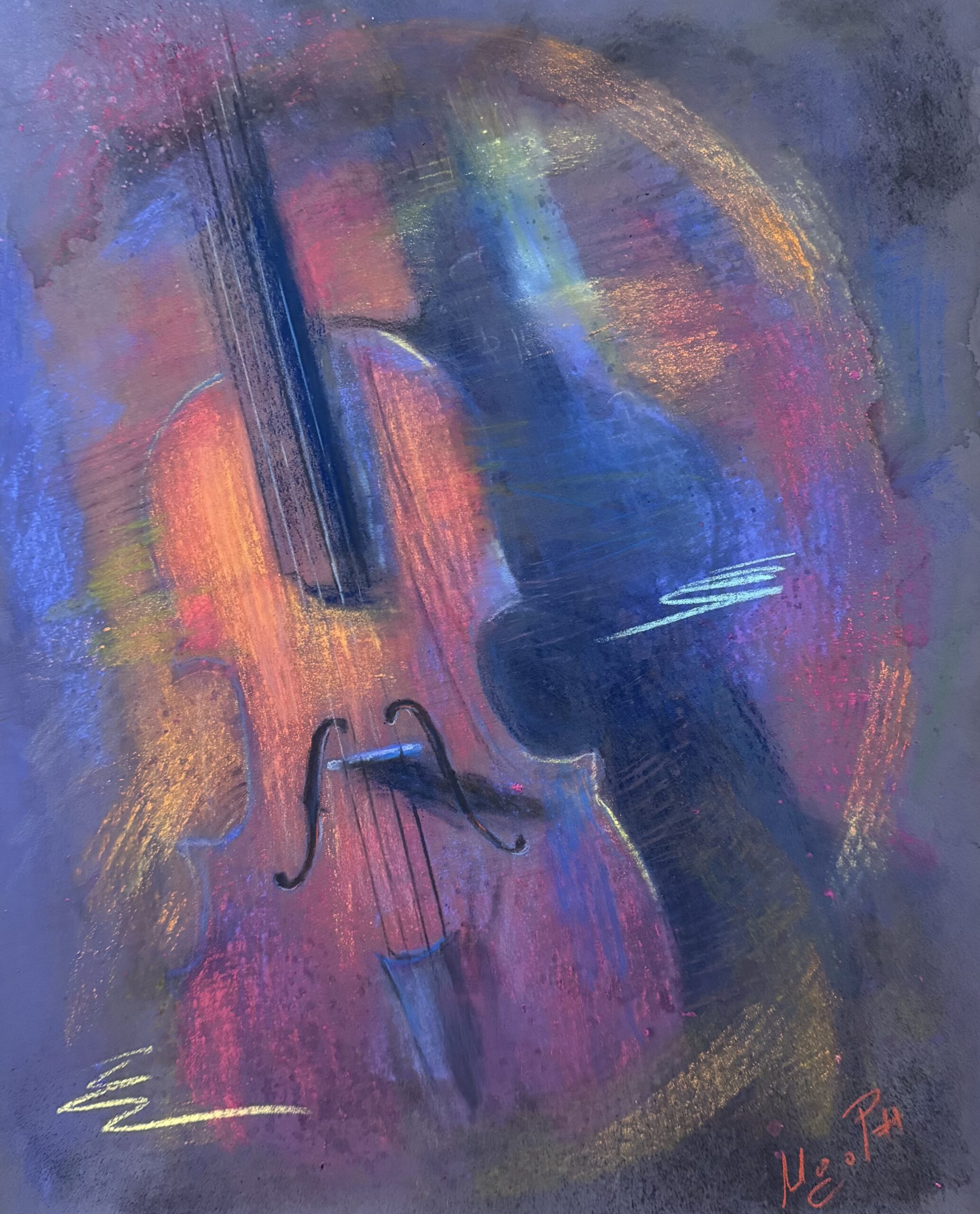
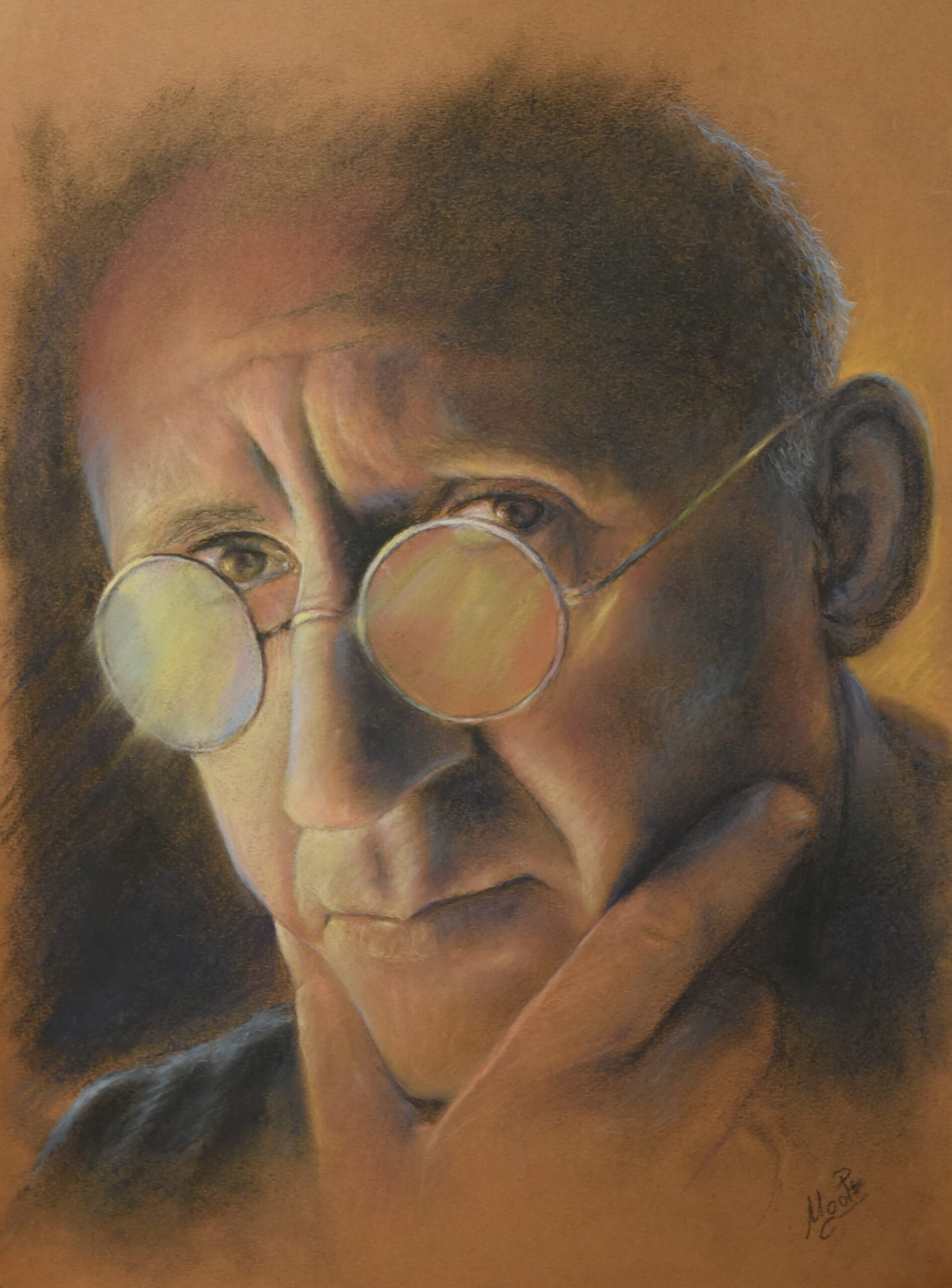
Ugo Paradiso is an Italian-born, self-taught artist whose work is inspired by his roots, family life, and personal journey of resilience. Now based in Kansas and a new member of Heartland Art Club, he works primarily in soft pastel, creating pieces drawn from life and memory. His art has earned recognitions, including Best in Show in a national exhibition. Through his work and writing, he encourages others to embrace creativity and find their own voice. Below is an overview of Ugo’s inspiring story. Making art is a lifetime journey.
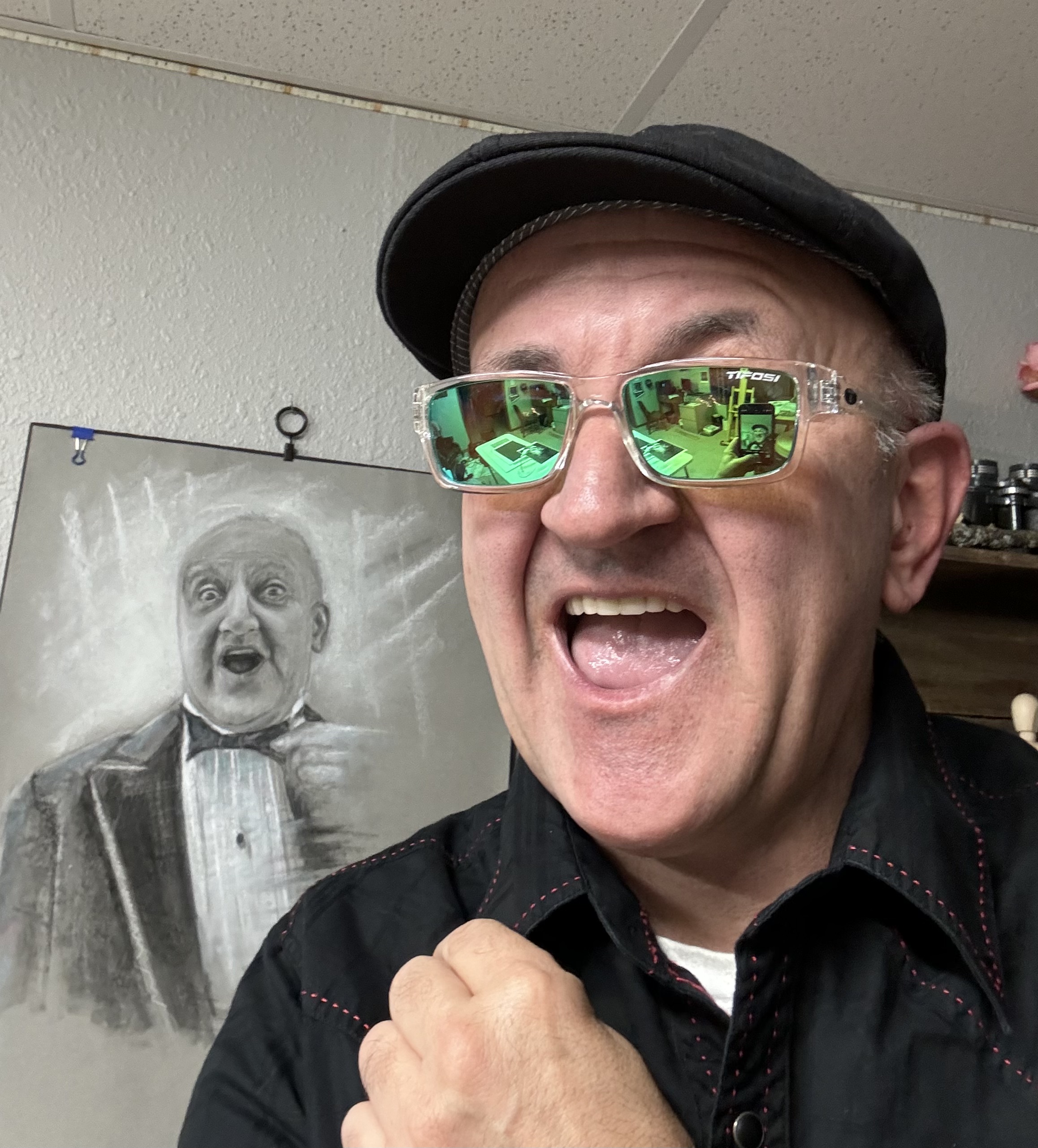
Ugo Paradiso
Drawn From Life: The Story of an Artist Who Learned to Truly See
Some artists are trained in prestigious schools. Others are shaped by something quieter, deeper, and far more personal: life itself. Ugo Paradiso is one of those artists.
Born in Southern Italy and raised among small towns, family traditions, and the textures of everyday life, Ugo’s story is not just about becoming an artist—it’s about becoming himself. His journey, told through his book Drawn From Life: A Journey of Resilience, Family, and Art, is a heartfelt reflection on identity, creativity, family, and the courage to begin again, even later in life.
Roots in Italy, A Life in America
Growing up in Italy, Ugo was surrounded by craftsmanship, resourcefulness, and creativity. People fixed things instead of throwing them away. Life moved at a different pace, at a speed that valued conversation, family meals, and the small details of everyday living.
Those early experiences would later shape his artistic voice, even though his path was not a straight line into the art world. Like many people, he built a practical life first focused on work, family, responsibilities, all while his artistic side waited patiently in the background.
When he eventually moved to the United States, he experienced a different culture and a different rhythm of life. This contrast between “living to work” and “working to live” became one of the many reflections that would later influence both his art and his writing.
Becoming an Artist—Not All at Once, But Over Time
Ugo Paradiso is largely self-taught, a reminder that passion and persistence can be as powerful as formal training. He committed himself to learning how to truly see. He studied the effect of light, the shape of objects, the details in everyday scenes, and practiced drawing from life again and again.
In an unusual and deeply personal challenge, he even taught himself to draw and paint with his non-dominant hand, an exercise that reshaped the way he saw and approached art. It wasn’t just about technique. It was about patience, humility, and learning to embrace imperfection.
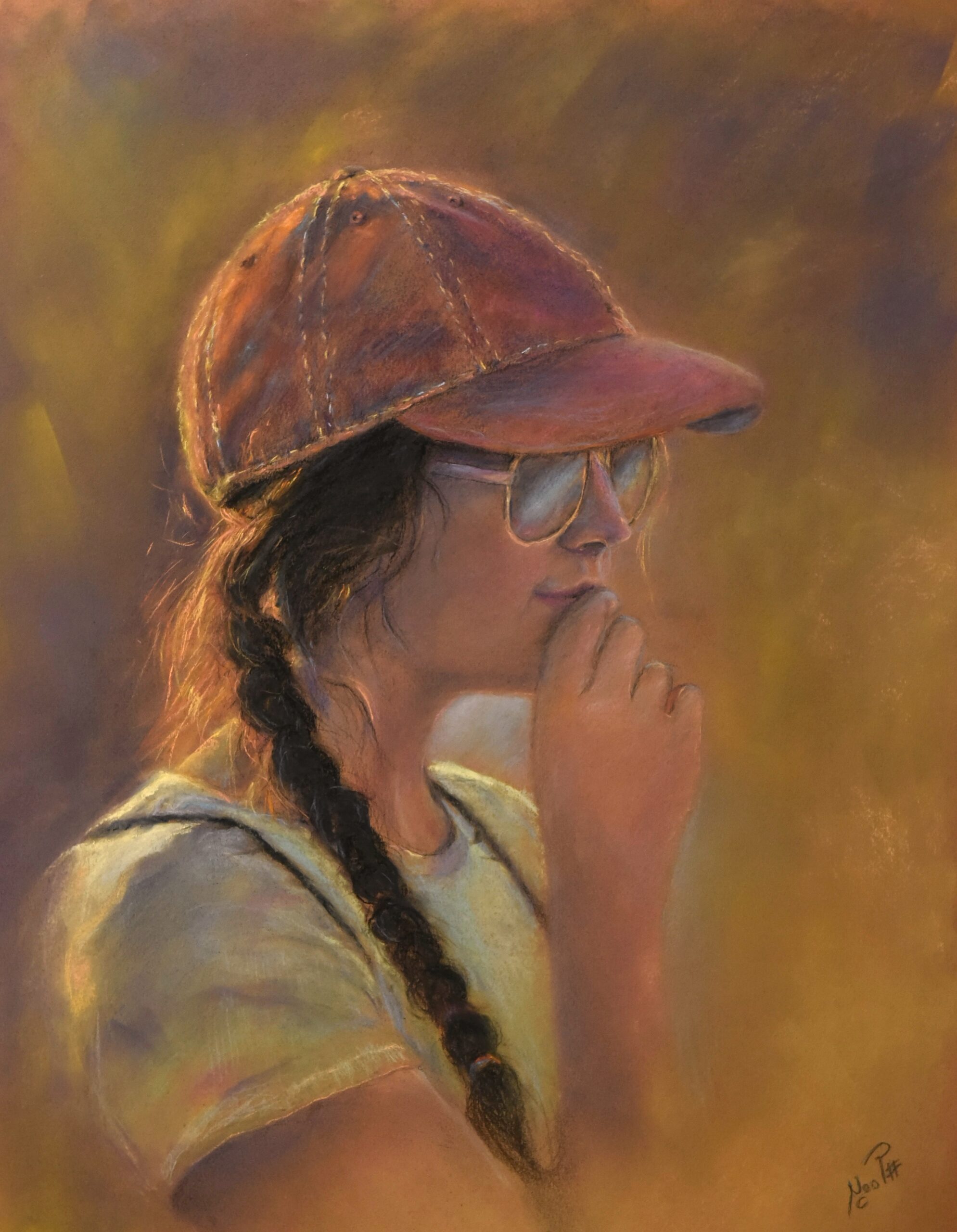
Over time, his dedication paid off. His pastel work gained recognition, including a Best in Show award in a national exhibition, an achievement that makes his story even more inspiring, because it came through persistence rather than a traditional path.
More Than Art—A Philosophy of Living
What makes Drawn From Life special is that it isn’t just a book about making art. It’s a book about making a life.
Throughout the book, Ugo reflects on family, depression, resilience, gratitude, immigration, identity, and the difference between simply surviving and truly living. He writes about meaningful objects, memories, and the stories behind the things we keep. He writes about failure, self-doubt, and the courage to keep going anyway.
But most of all, he writes about creativity, not as something reserved for a talented few, but as something deeply human. Something we all have. Something we all need.
You don’t have to be an artist to connect with Ugo or his new book. You just have to be human.
His story is for:
people who feel they started too late
people searching for purpose
people who love art, family, and personal stories
people who want to live more intentionally
people who have ever wondered, “What am I meant to do?”
Drawn From Life is, in many ways, a letter to family, to artists, to immigrants, to
dreamers, and to anyone trying to build a meaningful life.
Ugo Paradiso’s story reminds us that art is not only something you hang on a wall. Art is how you see. Art is how you remember. Art is how you live.
And sometimes, the most important thing you can do is simply begin.